

Top Most Steps to Safeguard Businesses from Online Fraud and Scam
CIOAdvisor Apac | Monday, March 22, 2021
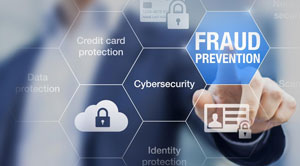 Many cybercriminals attempt to persuade victims to fall for their schemes by stressing the drastic consequences of failing to respond quickly, such as account closures or fines. These types of deceptive scenarios prey on people's fears.
FREMONT, CA: Many business executives evaluate the threats that could affect their companies regularly, but they do not consider online fraud to be a danger. It is very likely to be missed in smaller companies. Cybercriminals, on the other hand, search for innocent victims everywhere. Proactive behavior is needed to keep businesses safe from fraud.
Here are two practical steps that businesses should take to protect themselves from fraudulent activities and scams.
Examine All Online Requests, Particularly Those That Are Urgent
Some businesses are so anxious to satisfy their stakeholders that they hurry to fulfill any need they can, without even testing to see if it is legitimate. It is critical for businesses to carefully analyze any seemingly legitimate online requests, especially if the sender expresses extreme urgency. Many cybercriminals attempt to persuade victims to fall for their schemes by stressing the drastic consequences of failing to respond quickly, such as account closures or fines. These types of deceptive scenarios prey on people's fears. Before making any rash decisions that could jeopardize company operations, it is best to seek legal or cybersecurity advice.
Recognize the Signs of Online Payment Fraud
As business leaders start looking for signs of payment scam on their own, they will certainly notice some unexpected characteristics. Payment fraud, for example, does not only take the form of large transactions; it may also take the form of several smaller payments or repeated attempts over time. It can be especially challenging for small businesses. According to one report, four out of ten small companies have cash flow problems.
Wrongful transactions that go unnoticed for an extended period may worsen those issues. Representatives in charge of bank accounts must review the associated documents repeatedly and report something suspicious. Setting guidelines on how workers can report and get approval for work-related expenditures should make it easier to detect suspicious transactions. Companies may also want to invest in machine learning software that learns the characteristics of regular account behavior and warns them when something is not right.

Read Also

